Professional Remodeling Contractor for Your Vision Home Transformation
Identifying a skilled remodeling contractor is vital for bringing your vision to life. The right professional can streamline the process, confirming quality work and adherence to local standards. Factors including communication, experience, and licensing serve as key factors in the selection. As homeowners initiate this journey, understanding what to look for can greatly impact the finale. The details surrounding contractor choice are critical to examine deeper.
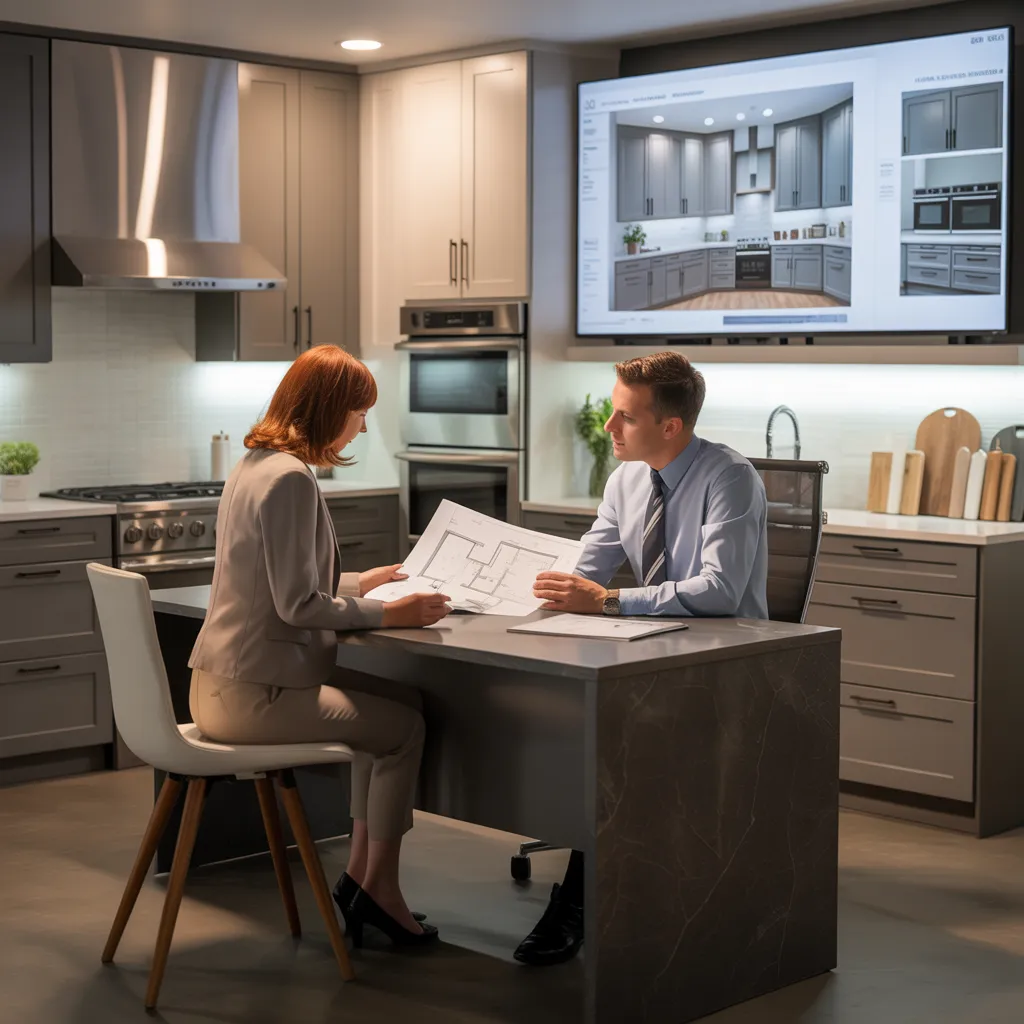
What to Look for in a Remodeling Contractor
When investigating a remodeling professional, what important traits should homeowners prioritize? First and foremost, clear communication is vital. A contractor should be approachable, receptive to ideas, and able to articulate plans clearly. Accountability also plays an pivotal role; homeowners should seek professionals who meet project deadlines and maintain a consistent work schedule. Additionally, transparent pricing is vital, as it helps eliminate hidden charges and builds trust.
Homeowners need to consider a contractor’s adaptability, as projects tend to change and may require fine-tuning. A strong network of skilled subcontractors can enhance the excellence of work, so it’s beneficial to examine the contractor’s links within the industry. Finally, a solid reputation, often reflected in reviews and testimonials, can provide perspectives into the contractor’s past performance. Prioritizing these qualities is important for a high-quality remodeling experience.
Reviewing Skills in Remodeling Contractors
Assessing the expertise of remodeling contractors is important to ensure a effective project outcome. A contractor’s record often reflects their capability to conduct projects competently and navigate challenges. Homeowners should consider how long the contractor has been operating and the categories of projects they have finished. Focus also has an important role; for example, a contractor with vast experience in kitchen renovations may not be the ideal choice for a bathroom remodel.
Moreover, reviewing past work via testimonials and portfolio collections can deliver insight into a contractor's skill and precision. Licenses and certifications are also indicators of professionalism and adherence to industry standards. In addition, assessing the contractor's knowledge with area building codes and regulations can avoid future complications. By thoroughly reviewing these factors, homeowners can choose a remodeling contractor who possesses the necessary expertise to bring their vision to life.
Why Open Dialogue Proves Vital in Remodeling?
Effective dialogue is essential in renovation work, as it creates clear goals that result in positive results. Regular updates foster trust between contractors and property owners, guaranteeing that both parties remain informed. Furthermore, promptly addressing any problems can prevent misunderstandings and keep the work on schedule.
Transparent Goals Drive Success
Clear dialogue functions as the cornerstone of a thriving home improvement project. Creating defined expectations between homeowners and construction professionals helps to minimize miscommunications and detailed article synchronizes objectives. When both stakeholders articulate their aims, schedules, and spending limits in advance, it creates a cooperative atmosphere. This transparency allows contractors to prepare properly, making certain resources and labor are assigned optimally. Additionally, when residents voice their choices and issues from the start, it decreases the likelihood of expensive changes afterward in the undertaking. Continuous dialogue during the remodeling process strengthens these expectations, enabling for modifications if needed. In the end, open communication not just enhances project efficiency but furthermore reinforces the bond between construction professionals and homeowners, creating the foundation for a smooth renovation of the residential area.
Prompt Updates Boost Confidence
While remodeling a home, regular updates play an crucial role in building trust between homeowners and contractors. Ongoing communication keeps clients apprised of work progress, likely postponements, and any changes in scope. This preventative method not only eases concerns but also promotes cooperation. When contractors communicate progress, homeowners feel involved and valued, strengthening their trust in the contractor's competence. Clear communication about schedules, resources, and cost changes ensures that goals coincide, reducing the likelihood of misunderstandings. Ultimately, frequent information create a transparent relationship, where both parties work toward a shared vision. By focusing on prompt updates, contractors can build greater trust, which brings about a smoother remodeling process and increased homeowner satisfaction.
Fixing Problems Quickly Counts
Communication functions as the backbone of a thriving remodeling project, especially regarding addressing issues swiftly. When surprising challenges arise, open communication between the contractor and homeowner proves vital. This exchange allows prompt detection of problems, minimizing project delays and ensuring that solutions are successfully applied. A competent contractor prioritizes regular interaction, cultivating a cooperative setting where concerns can be resolved rapidly. This forward-thinking strategy boosts project efficiency while also creating trust among all involved parties. Moreover, when issues are addressed quickly, it minimizes stress for homeowners, who can feel secure that their vision is being valued and achieved. In the end, strong dialogue converts potential setbacks into improvement opportunities within the remodeling process.
Do You Want a Authorized Remodeling Contractor?
When contemplating a renovation undertaking, the question of whether to hire a licensed contractor emerges. Licensing not only ensures regulatory adherence but also offers performance guarantees for the work performed. Understanding the significance of these factors can help property owners make informed decisions for their remodeling efforts.
Significance of Licensing
A certified remodeling contractor has a vital part in ensuring that home renovations are done safely and efficiently. Licensing means that the contractor has fulfilled specific education and experience requirements, showcasing their expertise in the field. This assurance not only instills confidence in homeowners but also guards against possible risks. A contractor with a valid license is well-versed in local building codes and regulations, which prevents costly mistakes that could arise from non-compliance. Additionally, licensed contractors often have access to better resources, including quality materials and skilled labor, which can enhance the overall outcome of the project. Ultimately, hiring a licensed remodeling contractor is a wise choice for anyone seeking a successful home transformation.
Compliance Positive Outcomes
Employing a licensed remodeling contractor guarantees compliance with local laws and regulations, protecting homeowners avoid potential legal problems. A licensed contractor is knowledgeable about the specific codes and requirements that govern construction locally, making certain all work meets safety standards. This compliance not only guards homeowners from fines but also diminishes the risk of liabilities arising from unpermitted work or poor-quality practices. Moreover, licensed contractors are often insured, which provides added protection in case of accidents or damages during remodeling. Engaging a licensed professional also helps smoother dealings with local authorities, simplifying the process to obtain necessary permits and inspections. In summary, hiring a licensed remodeling contractor is a sensible investment in legal security.
Quality Assurance Guarantees
Homeowners frequently seek out quality assurance guarantees when beginning remodeling projects, making the option of a accredited professional important. Professional contractors commonly provide warranties on their work, ensuring that any defects are handled quickly and at no extra cost. This not only gives peace of mind but also reflects the contractor's dedication to high standards. Besides, licensed professionals are typically experienced in area construction standards and regulations, guaranteeing adherence across the project. This adherence decreases the risk of expensive rework or regulatory complications in the future. Ultimately, selecting a licensed contractor boosts the chances of achieving a successful remodel, providing both quality craftsmanship and long-term benefits to the homeowner's expenditure.
Evaluating Contractor Reviews and Referrals
How can one truly gauge the reliability of a remodeling contractor? Reviewing reviews and references proves vital in this assessment. Prospective clients should seek out testimonials from previous customers, focusing on the quality of work, timeliness, and communication. A reliable contractor usually displays a portfolio of completed projects that show consistency and craftsmanship.
Additionally, procuring references directly from the contractor allows for deeper understanding. Speaking to former clients can reveal key details about the contractor's problem-solving capabilities and budget adherence. Online reviews, while advantageous, should be assessed critically; looking for patterns in feedback can provide a more objective perspective.
Ultimately, investigating any complaints with local consumer protection agencies or the Better Business Bureau can boost confidence in a contractor's credibility. By carefully assessing these factors, homeowners can make wise decisions about which contractor best suits their remodeling vision.
Strategies for Collaborating With Your Home Improvement Contractor
Working effectively with a remodeling contractor can greatly increase the quality of a home project. Clear communication is key; homeowners need to convey their intentions, wishes, and any concerns from the start. Regular updates are necessary; scheduling consistent check-ins enables ongoing dialogue and prompt handling of any problems. Establishing mutual respect fosters a healthy working relationship, motivating a contractor to offer creative solutions.
Additionally, embracing expert guidance can yield improved results. Contractors have industry knowledge that can enhance performance and aesthetics. Homeowners must maintain organization, providing required paperwork and sign-offs in a timely manner to keep things moving forward. Finally, adaptability is important; unforeseen obstacles may surface, and a cooperative attitude can facilitate problem-solving. By adhering to these tips, homeowners can achieve a effective collaboration that ultimately delivers a rewarding renovation outcome.
Frequently Asked Inquiries
How much time Will My Remodeling Job Take to Finish?
The timeline of a remodeling project relies on difficulty, extent, and supplies. Usually, projects can span anywhere from a few weeks to several months, based on the contractor's availability and unforeseen delays that may transpire.
What Is the Standard Payment Breakdown for Home Remodeling Projects?
Generally, remodeling undertakings contain a payment arrangement that comprises an initial deposit, milestone-based payments according to milestones, and a completion payment. This system ensures financial protection for both the contractor and the homeowner.
Can I Implement Modifications During the Renovation Process?
Changes can generally be completed during the renovation phase, but they could impact timelines and budgets. Homeowners must communicate clearly with builders to ensure any modifications align with project expectations and goals.
What Guarantees or Guarantees Do Home Renovation Professionals Provide?
Remodeling contractors often provide guarantees on workmanship and materials, ensuring repairs or replacements for designated periods. Guarantees could differ by business, so clients should establish clarity on expectations and policies before launching any remodeling project.
How Do I Handle Unforeseen Problems During the Project?
In order to manage unexpected issues during a project, individuals should inform quickly with the contractor, assess the problem collaboratively, explore solutions, extend schedules if necessary, and maintain a flexible attitude throughout the remodeling process.